
Why Not All Dust is Equal and How Trained Assessments Separate Harmless Residue From Real Airflow Problems
A light coating of dust on vent covers can look alarming. But does it actually affect how a system runs? In many Vancouver homes, the answer is no. The real issue hides deeper, where buildup changes air circulation, strains equipment, and worsens indoor air quality. That’s why air duct cleaning in Vancouver WA starts with a professional assessment—one designed to tell the difference between cosmetic dust and debris that genuinely harms system performance.
Professional air duct cleaning assessments look beyond visible dust. Using camera-mounted tools, airflow measurements, and pressure testing, technicians identify buildup that restricts air movement or harbors contaminants. Cosmetic dust affects appearance, while performance-impacting buildup interferes with air circulation, energy efficiency, and indoor air quality.
Why Assessments Matter More Than Cleaning Alone
Homeowners often assume duct cleaning is a yes-or-no decision. Either ducts are dirty or they’re not. In reality, effective duct cleaning depends on knowing what kind of dust is present and where it’s accumulating. A proper assessment prevents unnecessary work while ensuring serious issues aren’t ignored.
In Vancouver, WA, homes face unique challenges. Seasonal pollen, moisture from the Pacific Northwest climate, and modern air conditioning systems all influence how dust and debris behave. Some particles settle harmlessly near vent openings. Others cling to duct walls, grow heavier over time, and begin restricting airflow inside the HVAC system.
People also ask, “How do I know if my ducts are actually affecting performance?” The answer comes from assessment, not guesswork.
Where Homeowners Often Misjudge Duct Conditions
One of the most common mistakes is assuming visible dust equals poor system health. Vent covers collect surface dust quickly because they’re exposed. That doesn’t mean the entire air duct is compromised.
Another misconception is believing odor alone signals dirty ducts. A brief smell after turning on an air conditioner can be normal. Persistent smoke smell or musty air, however, often points to deeper buildup or mold growth inside air conditioning pathways.
Some homeowners rely on HVAC filters as proof their ducts are clean. Filters trap particles before they reach equipment, but they don’t remove debris already inside ductwork.
Others assume newer systems, like ductless heat pumps or upgraded residential heating units, don’t need inspection. In fact, changes in airflow can loosen old dust build-ups and redistribute them throughout the air system.
Better Air Northwest helps homeowners avoid these missteps by starting every job with a thorough evaluation rather than a one-size-fits-all cleaning.
Read more about air duct cleaning in Vancouver WA
Want Cleaner Air And Better System Performance?
Contact Better Air Northwest today and schedule a professional duct assessment you can trust.
How Professionals Define Cosmetic Dust Versus Performance-Impacting Buildup
Cosmetic Dust: What Looks Bad But Doesn’t Hurt Performance
Cosmetic dust is typically light, dry, and loosely settled. It often appears on vent covers or near supply openings. While it can affect appearance, it doesn’t significantly interfere with airflow or energy efficiency.
This type of dust is common in homes with pets, carpeted floors, or frequent door traffic. It’s usually manageable through regular maintenance schedules and proper HVAC filters.
Performance-Impacting Buildup: What Actually Causes Problems
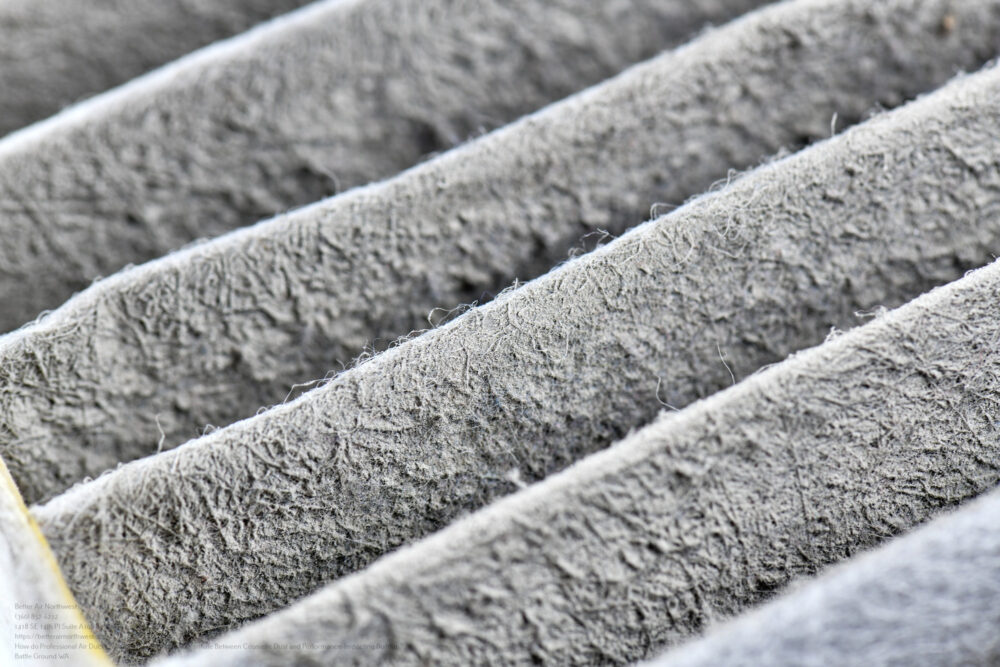
Performance-impacting buildup behaves differently. It’s heavier, often sticky, and tends to accumulate in bends, transitions, and return ducts. Over time, it narrows air pathways and forces the system to work harder.
In Vancouver homes, this buildup often includes seasonal pollen mixed with moisture, pest infestation residue, or fine construction debris from past remodeling. When left untreated, it contributes to indoor air pollution, allergy issues, and rising energy bills.
This distinction is why air duct cleaning assessments focus on how debris interacts with airflow—not just how it looks.
Tools and Methods Used During Professional Assessments
Professional evaluations rely on more than a flashlight and a glance. Technicians use state of the art equipment designed to see, measure, and confirm what’s happening inside the duct cleaning system.
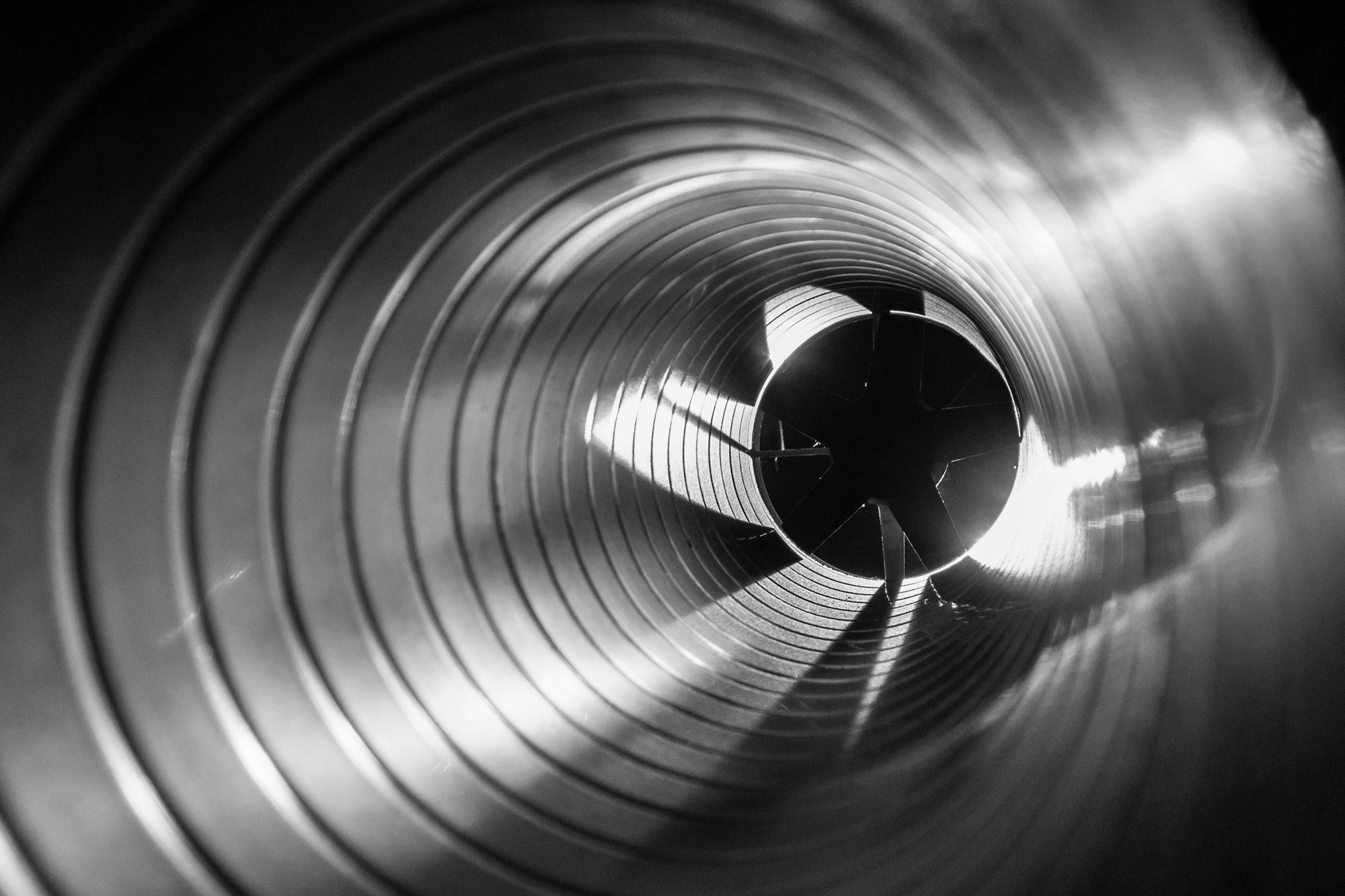
Camera-mounted inspections allow technicians to view deep sections of ductwork without disturbing debris. This reveals whether dust is superficial or compacted.
Airflow and pressure testing shows whether dust build-ups are restricting circulation. Reduced airflow often signals performance-impacting debris even when vents look clean.
HEPA-filtered vacuums and vacuum brush tests help determine how easily debris dislodges. Cosmetic dust lifts quickly. Harmful buildup resists movement.
According to guidance from the U.S. Environmental Protection Agency, ducts should be cleaned when substantial debris restricts airflow or contributes to indoor air quality concerns, not simply because dust is visible. Their indoor air quality guidance reinforces the importance of condition-based decisions rather than routine cleaning alone.
Why Accurate Assessments Protect Comfort, Health and Costs
Misjudging duct conditions can lead to two costly outcomes: unnecessary cleaning or delayed action. Cleaning when it’s not needed wastes time and money. Ignoring real buildup allows problems to grow.
Performance-impacting debris increases system strain. That leads to higher energy bills, uneven temperatures, and premature wear on air conditioners and residential heating equipment.
Health also plays a role. Dust build-ups can trap mold spores, allergens, and irritants that aggravate respiratory issues. Families dealing with respiratory illnesses often notice improvements once airflow restrictions are removed.
Better Air Northwest has built trust locally by focusing on long-term solutions instead of upselling. Their assessments aim to protect system performance and customer satisfaction, not just clean for appearance’s sake.
Best Practices Homeowners Should Know Before Scheduling Duct Cleaning
A professional assessment sets expectations and guides decisions. Homeowners can support that process by understanding a few key points:
- Visible dust doesn’t always mean urgent cleaning. Ask whether airflow or system performance is affected.
- Odors and allergy symptoms matter more than appearance. Persistent issues often signal deeper buildup.
- Inspections should include returns, not just supply vents. Many problems hide on the return side.
- Confirm that assessments include camera views or airflow measurements. Guesswork leads to guessy results.
- Remember that pricing varies. If cleaning is recommended, costs depend on system size, duct layout, and debris severity—not flat rates.
These steps help ensure duct cleaning addresses real needs, not assumptions.
Expert Insight: What Technicians See Inside Vancouver Duct Systems
One recurring pattern Better Air Northwest encounters is uneven buildup. A home may have clean-looking vents but heavy debris deeper inside return ducts. This often happens in houses with air purifiers or high-efficiency HVAC filters that improve airflow without removing existing dust.
Another insight involves moisture. In Vancouver’s climate, small amounts of condensation can turn light dust into sticky residue that clings to duct walls. Over time, that residue becomes performance-impacting even if it started as cosmetic.
A practical takeaway: assessments should happen before symptoms escalate. Early evaluation prevents minor buildup from turning into airflow restrictions or mold growth.
What Homeowners Should Remember about Duct Assessments
Not all dust deserves the same response. Cosmetic dust affects appearance. Performance-impacting buildup affects comfort, efficiency, and health.
Professional assessments differentiate between the two using visual tools, airflow testing, and experience. That clarity prevents unnecessary cleaning while ensuring real problems don’t linger.
For Vancouver homeowners, understanding this difference leads to smarter decisions, better air circulation, and systems that perform as designed. It’s a measured approach—clean only what needs cleaning, and fix what truly affects performance.
Why Choosing Better Air Northwest Makes the Smart Difference
We at Better Air Northwest provide the best solutions to our customers by starting with accurate assessments. We don’t treat every dust trace as a problem. We identify what actually affects airflow, system performance, and indoor air quality.
We proudly showcase our excellent services, including residential air duct cleaning, commercial duct cleaning, dryer vent cleaning services, and anti-microbial sanitation. Each service is guided by inspection, not assumption, so results last.
If you want clear answers and real improvements, contact Better Air Northwest for expert air duct cleaning in Vancouver WA and experience the difference professional assessment brings to your home.
air duct cleaning near me in Vancouver WA
Want Cleaner Air And Better System Performance?
Contact Better Air Northwest today and schedule a professional duct assessment you can trust.