
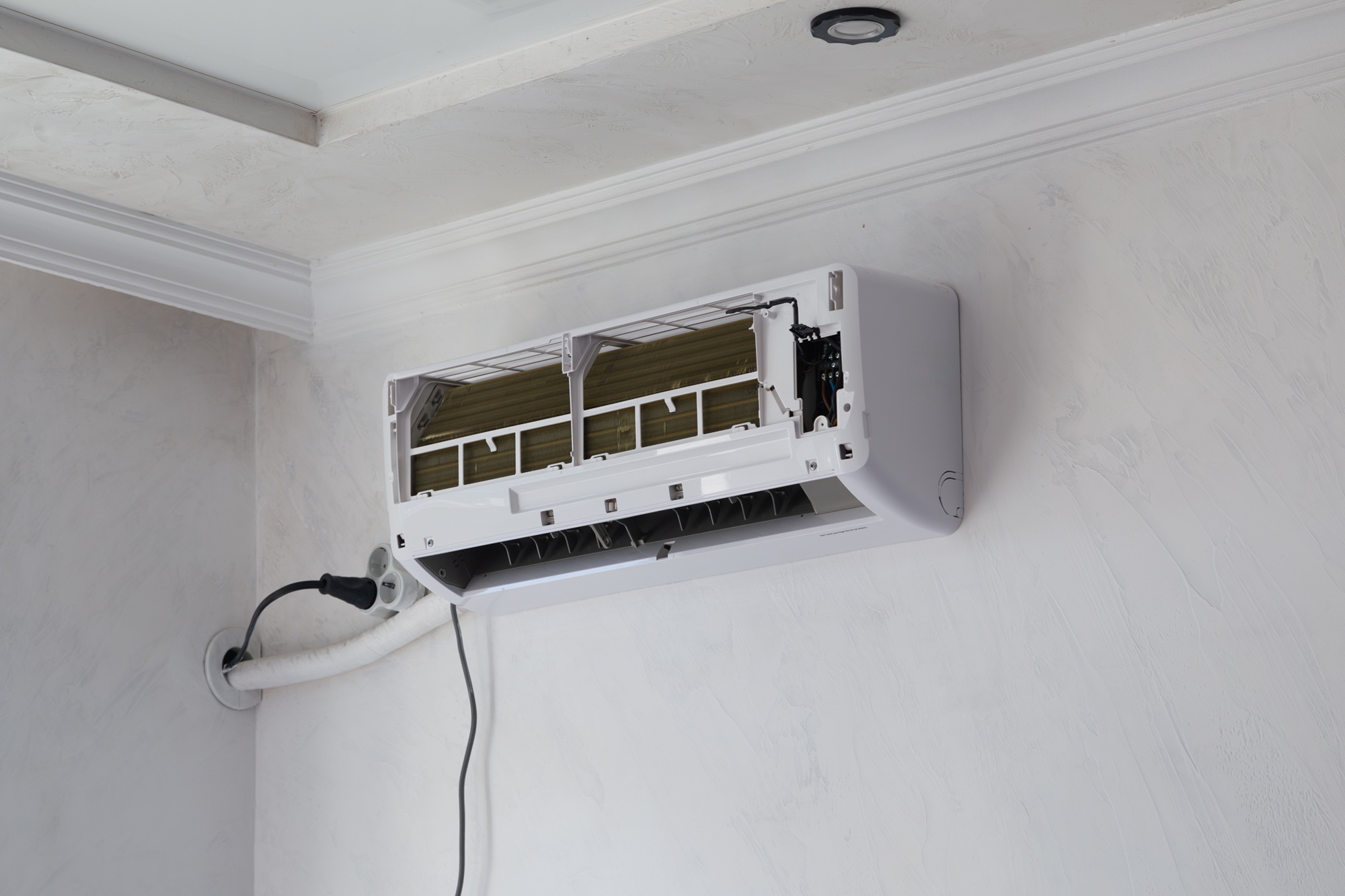
Why Subtle Airflow Changes Often Reveal Bigger Problems Inside Your Mini Split
A mini split may appear to operate normally while hidden contaminants quietly reduce the unit’s efficiency. Homeowners seeking mini-split cleaning in Portland OR, are often surprised to learn that airflow resistance patterns can reveal significant internal buildup long before a complete system failure. Reduced airflow, uneven temperatures, and rising energy bills frequently point to contamination hidden deep within indoor units.
Professional mini-split cleaning evaluates airflow resistance patterns, such as reduced discharge velocity, pressure imbalances, restricted blower movement, and inconsistent temperature delivery. These indicators help technicians identify hidden contaminant buildup within indoor units, restoring indoor air quality, system efficiency, and overall heat pump performance.
Indoor air contaminants rarely stay visible. Dust, mold growth, debris, and biological material accumulate gradually on evaporator coils, blower wheels, air filters, and condensate components. Over time, these obstructions increase resistance throughout the ductless system.
Five Airflow Warning Signs Homeowners Commonly Overlook
Many homeowners unintentionally ignore early warning signs that contamination is restricting airflow.
1. Reduced Air Velocity at the Indoor Unit
Weak airflow from the indoor unit is often the first indicator. As debris accumulates on blower wheels and evaporator coils, resistance increases, reducing air delivery.
2. Uneven Room Temperatures
When airflow becomes restricted, conditioned air no longer distributes evenly. Occupants may experience hot and cold spots despite constant thermostat settings.
3. Rising Energy Bills
An energy-efficient unit loses efficiency when contaminants obstruct airflow. The system must run longer to achieve target temperatures, increasing utility costs.
4. Excessive Fan Noise
Restricted airflow forces blower fans and their motors to work harder. Whistling, rattling, or unusual operating sounds often indicate hidden buildup.
5. Persistent Musty Odors
Mold growth in indoor units often produces unpleasant odors. These odors typically intensify when the air conditioning system first starts.
Better Air Northwest routinely helps homeowners identify and correct these issues before they require major HVAC repairs or component replacement.
Why Airflow Resistance Tells the Real Story Inside a Mini Split
Airflow resistance acts much like plaque inside arteries. At first, restrictions seem insignificant. Eventually, however, airflow throughout the ductless mini-split system becomes disrupted.

Professional HVAC technicians evaluate airflow patterns because indoor units rely on unrestricted air movement to transfer heat efficiently. Whether operating in cooling or ductless heating mode, a heat pump depends on consistent airflow through evaporator coils and blower fans.
What is Airflow Resistance?
Airflow resistance occurs when contaminants obstruct air movement through an air handler. Common causes include:
- Dirty air filters
- Dust accumulation on blower wheels
- Mold growth on evaporator coils
- Restricted condensate drain pathways
- Debris inside refrigerant compartments
People Also Ask: Can airflow problems develop even if a mini split still cools the room?
Absolutely. Many mini split AC system issues begin gradually. Homeowners often notice subtle changes, such as reduced comfort, uneven temperatures, or higher energy bills, before complete performance loss.
The damp climate in Portland, OR frequently accelerates indoor contamination. Moisture around the condensate drain creates favorable conditions for biological growth, particularly in homes relying heavily on ductless heating and cooling systems year-round.
According to the U.S. Environmental Protection Agency, maintaining HVAC cleanliness significantly improves indoor air quality and energy performance.
Why Mini Split Cleaning in Portland OR Improves More Than Airflow
Professional mini-split cleaning in Portland OR, does far more than remove visible dust. They restore proper airflow characteristics throughout the entire ductless mini-split system.
When evaporator coils become coated with contaminants, heat exchange efficiency declines dramatically. Dirty blower wheels disrupt airflow patterns, reducing the performance of both air conditioning systems and ductless heating equipment.
Better Air Northwest frequently discovers contamination severe enough to reduce airflow by 20 to 30 percent. Restoring unrestricted airflow improves indoor air quality, lowers energy bills, and enhances overall customer satisfaction.
The benefits extend even further:
- Improved energy efficiency
- Better temperature consistency
- Reduced operating strain on the fan motor
- Extended equipment lifespan
- Enhanced indoor air quality
For homeowners comparing mini-split air conditioners with traditional ducted systems, maintaining clean airflow pathways remains essential to preserving the expected efficiency advantages.
How Technicians Evaluate Hidden Airflow Resistance Patterns
Professional assessments involve much more than a visual inspection.
During mini-split cleaning in Portland, OR, certified technicians evaluate several diagnostic indicators to identify hidden contaminant buildup.
Airflow Measurements
Technicians measure airflow output directly from indoor units. Reduced discharge volume often indicates obstruction inside the air handler.
Blower Wheel Inspection
Contaminated blower wheels create substantial airflow resistance. Even thin dust layers alter aerodynamic performance.
Evaporator Coil Examination
Evaporator coils are inspected for biological growth, debris accumulation, and moisture-related contamination.
Refrigerant Performance Analysis
Although refrigerant levels primarily affect cooling capacity, restricted airflow can mimic symptoms associated with refrigerant leaks or refrigerant line issues.
Condensate Drain Evaluation
Blocked condensate drain pathways contribute to mold growth and moisture accumulation. Drain line performance is therefore carefully assessed.
Advanced inspection techniques allow HVAC technicians to detect hidden restrictions before major performance failures occur.
Four Maintenance Habits that Prevent Hidden Contaminant Buildup
Homeowners can significantly reduce airflow resistance by adopting preventive maintenance practices.
- Clean or replace air filters according to manufacturer recommendations.
- Schedule professional maintenance agreements annually.
- Monitor indoor units for unusual noises or odors.
- Address moisture problems immediately around the condensate drain.
Properties utilizing a single system for year-round heating and cooling often require more frequent inspections.
Many homeowners also benefit from maintenance agreements offering priority service and scheduled system evaluations. Better Air Northwest provides ongoing maintenance solutions designed to support long-term system reliability.
While portable units may offer temporary comfort, properly maintained Mini-split AC systems deliver superior efficiency and consistent indoor air quality.
Expert Insights: Real-World Lessons from Portland Homes
Better Air Northwest has serviced countless systems throughout Portland, OR where hidden contamination severely restricted airflow.
One homeowner reported increasing energy bills despite owning a relatively new ductless system. Inspection revealed extensive buildup on blower wheels and evaporator coils. After professional cleaning, airflow increased substantially and monthly utility costs declined.
Another family experienced persistent allergy symptoms despite repeatedly replacing air filters. Technicians discovered mold growth inside the indoor unit and contamination around the condensate drain. Following cleaning, the indoor air quality improved significantly.
Regional providers as well as contractors serving Coos Bay and Roseburg, report similar findings. Hidden contamination remains one of the leading causes of declining mini split performance.
The practical takeaway is simple: routine cleaning prevents costly surprises.
Key Takeaways Homeowners Should Remember
Airflow resistance patterns provide valuable insight into the health of a ductless mini-split system.
Weak airflow, temperature inconsistencies, increased energy bills, unusual odors, and excessive operating noise often indicate hidden contaminant buildup inside indoor units.
Professional inspections evaluate evaporator coils, blower fans, refrigerant levels, condensate systems, and airflow performance to identify problems before equipment damage occurs.
Routine maintenance performed by certified technicians helps preserve energy efficiency, indoor air quality, and long-term system reliability throughout Portland, OR.
Why Better Air Northwest is the Smart Choice for Cleaner, More Efficient Mini Splits
We at Better Air Northwest provide the best solutions to our customers by delivering detailed mini split cleaning services tailored to each home’s unique needs. Our experienced certified technicians carefully inspect indoor units, evaluate airflow resistance patterns, and remove hidden contaminants that affect system performance.
We proudly provide mini-split cleaning, residential and commercial air duct cleaning, and antimicrobial sanitation services, using proven methods and advanced equipment. Our commitment to customer service and customer satisfaction allows homeowners to enjoy cleaner air and dependable comfort.
Choosing professional maintenance today helps avoid costly repairs tomorrow. Contact Better Air Northwest for expert mini-split cleaning in Portland OR and experience the difference professional care makes. Long-term comfort, energy efficiency, and healthier indoor environments begin with professional mini-split cleaning in Portland OR.
Do You Need Professional Mini Split Cleaning Today?
Contact Better Air Northwest for cleaner air and better system performance.