Why the Dirtiest Part of a Duct May Be Where You Can’t See It
Air ducts don’t collect dust evenly. Airflow changes direction around elbows, branches, dampers, and transition points, creating slower-moving pockets where particles can settle. For homeowners seeking air duct cleaning in Vancouver WA, understanding these hidden deposition zones explains why professional inspection and airflow testing can reveal contamination that ordinary visual checks miss.
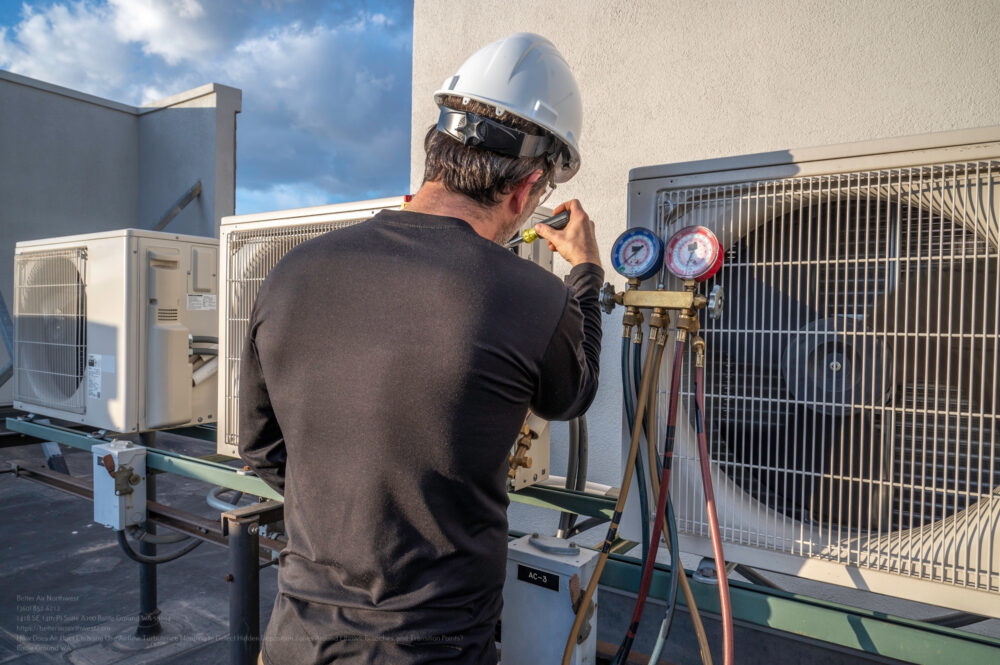
Airflow turbulence mapping helps identify areas where changing velocity and pressure encourage dust deposition. By combining airflow testing, inspection cameras, and targeted cleaning equipment, technicians can locate buildup around elbows, branches, and transitions instead of assuming contamination is evenly distributed throughout the air duct system.
These deposition zones can become more significant when airflow is restricted by accumulated debris, poorly positioned dampers, or changes in duct size. Over time, uneven buildup may affect how efficiently air moves through the system and make certain areas more difficult to clean with standard access methods.
How Does Airflow Turbulence Create Hidden Deposition Zones?
Air moving through a straight section of duct tends to follow a relatively predictable path. Once it reaches an elbow, a branch connection, a reducer, or another transition point, the pattern changes; some air accelerates while other portions slow down or circulate, and heavier particles can lose enough momentum to settle against the duct surface. Over time, these areas may develop noticeable dust buildup even when nearby ductwork looks comparatively clean.
This matters because an air duct system isn’t simply a collection of empty tubes. It functions as part of the building’s complete air circulation system, connecting HVAC equipment with rooms throughout a property. A hidden deposit near a branch can affect downstream airflow, while buildup around a poorly flowing transition can contribute to airflow blockage. People Also Ask: where does dust collect most heavily inside ductwork? The answer often depends on geometry, airflow velocity, particle characteristics, and the condition of the system.
For properties in Vancouver WA and across Clark County, these conditions can be particularly relevant because heating and air conditioning systems operate in response to changing seasonal demands. A professional air duct cleaning company can assess these patterns rather than relying solely on what is visible at air vents. Better Air Northwest approaches duct cleaning with the understanding that the hardest deposits to find are often located where airflow changes direction.
Why Air Duct Cleaning in Vancouver WA Can Miss Problem Areas Without Mapping
One common mistake is assuming that visible dust at a vent represents the worst contamination in the system. Vent covers can collect household dust because they sit directly in the airflow path, but a clean-looking grille doesn’t prove that the connected duct is clean. Another mistake is cleaning only the easiest straight sections while giving limited attention to elbows, branches, and transition points where deposition may be more persistent.
A second problem occurs when technicians focus on suction without understanding airflow behavior. Strong suction equipment is important, but cleaning effectiveness also depends on agitation, access, containment, and the ability to direct airflow toward contaminated surfaces. EPA guidance notes that proper duct cleaning should involve appropriate vacuum equipment and controlled cleaning methods, while also cautioning that duct cleaning isn’t something every home automatically needs on a routine schedule.
Better Air Northwest helps address these concerns by using specialized inspection methods and equipment suited to the HVAC system’s condition. Camera-mounted inspection tools and duct cameras can provide visual evidence from areas that aren’t easily accessible. At the same time, HEPA-filtered vacuums and HEPA negative-air machines can help control particle removal during appropriate cleaning work. For a homeowner comparing air duct cleaning in Vancouver WA providers, this kind of evidence-based approach is more useful than broad marketing messages promising identical results for every property.
Need Air Duct Cleaning Without The Guesswork?
Contact Better Air Northwest today for professional service and cleaner, better-understood ductwork.
What Can Professionals Learn from the Shape of a Dust Deposit?
Dust patterns can tell a story about airflow. A deposit concentrated immediately downstream from an elbow may indicate that particles are losing momentum as the air changes direction. A heavier deposit near a branch may suggest uneven distribution or localized turbulence. A buildup at a transition can indicate that changes in duct dimensions are affecting how smoothly the airstream moves through the system.
These observations don’t automatically prove that contamination is causing a health or performance problem. That distinction is important because responsible professionals should identify observable conditions rather than rely on vague claims about mold spores, airborne viruses, or respiratory irritation as automatic reasons to clean.
When moisture or biological contamination is actually present, the situation requires additional care. Better Air Northwest also offers residential anti-microbial sanitation and industrial anti-microbial sanitation where appropriate conditions call for those services, rather than treating every dust deposit as a microbial issue.
Which Details Should Vancouver Property Owners Watch After Cleaning?
Property owners can learn a great deal by paying attention to changes in airflow, unusual odors, and recurring dust patterns after professional work is completed. Musty odors, visible contamination, or repeated dust accumulation may justify another inspection, particularly when moisture, construction debris, or a mechanical problem has affected the HVAC equipment. A property undergoing renovation should also receive special attention because construction debris can enter unprotected returns and supply pathways.
Dryer systems require a separate consideration. Lint buildup and vent blockage occur in dryer exhaust systems rather than in the main HVAC ductwork, which is why dryer vent cleaning should be treated as a separate service. Better Air Northwest’s dryer vent cleaning service can therefore address a different airflow concern from residential air duct cleaning.
Homeowners should also evaluate how a service provider communicates. Clear service information, a transparent privacy policy, responsible SMS messaging practices, and an option to add photos when describing a suspected problem can make an online service process easier to understand. Those details don’t replace technical qualifications, but they can help customers distinguish useful information from aggressive marketing messages.
What Should Homeowners Remember about Airflow-Based Duct Inspection?
The central lesson is that duct contamination isn’t always where the eye expects it to be. Elbows, branches, reducers, dampers, and transition points can change airflow velocity and direction, creating conditions where particles settle. Airflow testing, visual inspection, duct cameras, and controlled source removal methods can help technicians investigate those locations more effectively.
Homeowners should also remember that cleaning isn’t a substitute for fixing an underlying problem. Leaking ductwork, moisture intrusion, damaged insulation, poorly fitted vent covers, clogged filters, or malfunctioning HVAC equipment can cause contamination or airflow issues to return.
For residents comparing air duct cleaning services in Vancouver WA, Better Air Northwest offers a practical combination of inspection, cleaning, and specialized HVAC services tailored to the condition of the individual system. From residential air duct cleaning to commercial and industrial work, the focus remains on identifying where airflow and contamination problems actually occur.
Why Better Air Northwest is a Smart Choice for Local Duct Care
At Better Air Northwest, we provide the best solutions to our customers by approaching HVAC cleaning as more than simply vacuuming visible dust from air vents. Our technicians can use professional inspection and cleaning methods to investigate difficult areas, including elbows, branches, and transition points where hidden deposits may develop.
We showcase excellent air duct cleaning and related services with equipment and procedures suited to residential, commercial, and industrial applications. Our NADCA-Certified Technicians understand the importance of proper assessment, controlled cleaning, and protecting the surrounding indoor environment during service.
Contact Better Air Northwest for expert duct cleaning and airflow-focused HVAC service in Vancouver WA. For a system where hidden deposition zones affect airflow, professional air duct cleaning in Vancouver WA can provide a more informed path toward a cleaner and better-understood air duct system.
Need Air Duct Cleaning Without The Guesswork?
Contact Better Air Northwest today for professional service and cleaner, better-understood ductwork.