When One Part of the Building Feels Fine, and Another Never Does
A large commercial building can have an HVAC system that appears to be working normally while certain rooms remain stuffy, drafty, dusty, or difficult to heat and cool. That is where commercial air duct cleaning in Portland OR becomes part of a broader evaluation of airflow conditions.
Better Air Northwest examines how debris, pressure differences, and restrictions within an air duct system may affect the movement and distribution of conditioned air across connected building zones.
Commercial air duct cleaning can support the evaluation of pressure zoning imbalances by identifying debris, restrictions, and contamination that may interfere with airflow through large HVAC networks. Cleaning does not replace HVAC design or balancing, but removing significant buildup can help restore clearer air pathways for proper system assessment.
The Cleaning Methods Matter as Much as the Equipment
Commercial systems require more planning than simply attaching a powerful vacuum and working from one vent to the next. Large duct networks may need strategically selected access points, controlled containment, and methods suited to the duct material and contamination present. Depending on the project, brush and air-based agitation tools, air whips, high-powered blowing, or other appropriate source-removal techniques may be used with continuous negative pressure.
The Negative Pressure Method is particularly important because it helps keep loosened debris under controlled collection during the cleaning process. NADCA states that continuous negative pressure allows fine particles to be removed as they become airborne during cleaning and helps prevent their release back into the occupied space when the system is restarted. This is one reason why the cost of the machines and the equipment’s capabilities matter, although expensive equipment alone does not guarantee quality work.
A well-planned project also considers the building’s daily operations. Offices, retail spaces, healthcare-adjacent environments, warehouses, and other commercial properties may require different scheduling and containment practices. Better Air Northwest uses state-of-the-art equipment appropriate to the job’s scope and provides clear customer service explaining what will be cleaned and why.
Why Pressure Zones Can Make a Building Feel Uneven from Room to Room
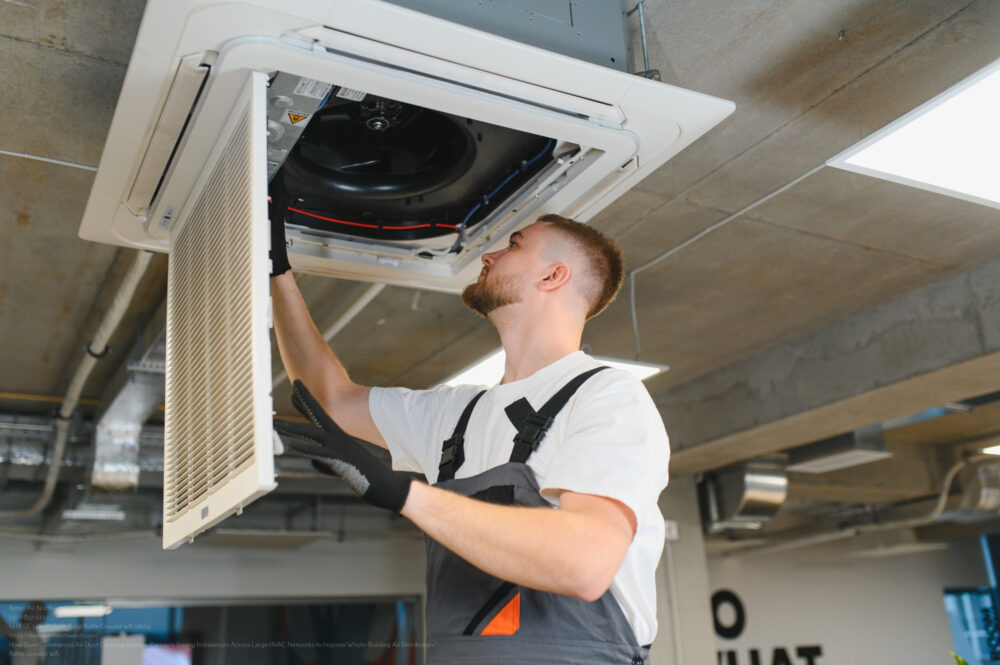
Large HVAC networks are designed to move air through multiple zones, each with its own demand, occupancy pattern, and airflow requirements. Air handlers create the pressure needed to move conditioned air through ductwork, while supply pathways deliver it and the air return system brings it back for conditioning. When these relationships are disrupted, one section of a building may receive too much air while another receives too little.
So, what causes pressure imbalances in a commercial HVAC system? The answer can involve several factors, including closed or blocked pathways, dirty components, improperly adjusted dampers, equipment issues, changes to the building layout, or debris that creates additional resistance within the network. Carpet fiber, pet hair, dust, and construction debris can also enter a system over time, particularly in facilities that undergo renovation or frequent interior changes.
The U.S. Environmental Protection Agency explains that indoor air quality depends on the dynamic interactions among pollutant sources, ventilation, moisture, building conditions, and the design, maintenance, and operation of HVAC systems. Its guidance for commercial buildings emphasizes investigating the causes of air quality problems rather than assuming a single solution fits every building.
Want Better Airflow Throughout Your Commercial Building?
Contact Better Air Northwest today for professional commercial air duct cleaning and dependable service.
What Experienced Technicians Look for Before the Equipment Starts
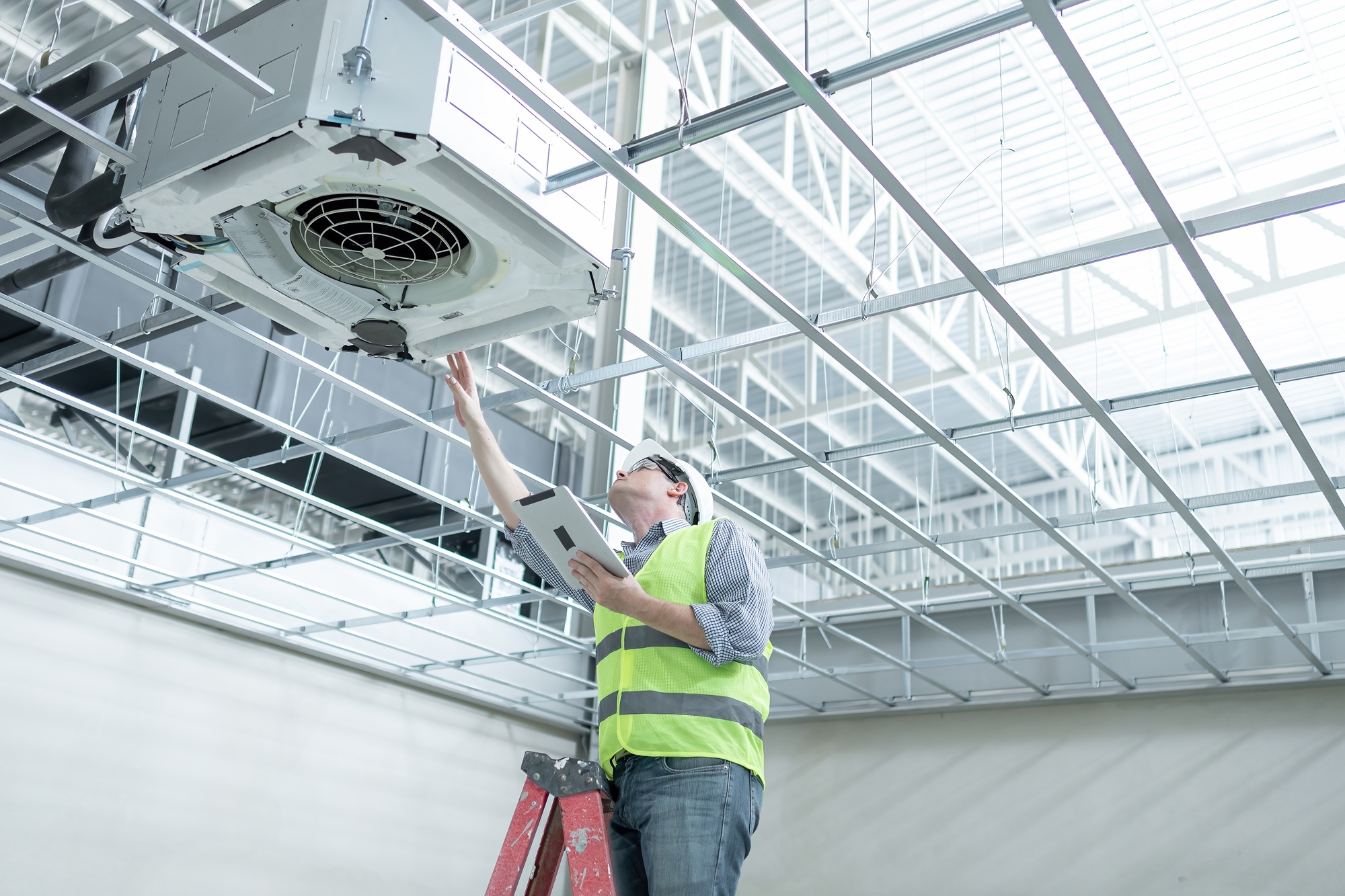
Professional technicians don’t need to guess where the problems are. Visual inspections, system access, and an understanding of airflow pathways help establish a useful starting point. They may look for heavy debris, construction dust, carpet fibers, pet hair, blocked or damaged access areas, and signs that one part of the network has accumulated substantially more material than another.
The inspection also helps define realistic expectations. If a building experiences poor air distribution because of a design issue, cleaning the ducts won’t redesign the system. If a pressure zone is affected by a malfunctioning air handler or control problem, source removal won’t repair the equipment. That honest separation between cleaning and mechanical correction protects the customer and supports better long-term decisions.
EPA guidance on indoor air quality follows a similar problem-solving approach by emphasizing source control, improved ventilation, and filtration as key strategies. It also recognizes that building maintenance and HVAC operation are important factors in managing indoor conditions. For a large commercial facility, that means cleaner ducts are one piece of a much bigger puzzle.
Better Air Northwest focuses on what can be directly observed and addressed through professional cleaning. By removing appropriate contaminants and documenting the condition of accessible components, the team can help create a more reliable starting point for building managers investigating uneven air distribution.
The Main Lesson for Whole-Building Air Distribution
Pressure zoning problems can be complicated because the symptoms may appear far from the actual cause. A warm conference room, a stuffy workspace, or weak airflow in one wing may be due to duct restrictions, balancing issues, equipment performance, or a combination of these conditions. Cleaning is most effective when it is evidence-based and integrated into a broader maintenance strategy.
The key takeaways are simple but important. Significant debris should be identified before cleaning is recommended. Cleaning methods should match the system and contamination present. Continuous negative pressure and appropriate agitation can help capture loosened particulate during source removal. After cleaning, any remaining airflow problems may indicate separate HVAC issues that require a qualified mechanical assessment.
For Portland businesses, this approach supports better planning and fewer assumptions. Better Air Northwest provides commercial cleaning services that focus on the actual condition of the air duct system, helping clients address substantial contamination while keeping expectations grounded in what professional duct cleaning can realistically accomplish.
Why Better Air Northwest is the Smart Choice for Commercial HVAC Care
We at Better Air Northwest provide the best solutions for our customers by approaching large HVAC networks with careful planning, detailed inspections, and cleaning methods tailored to the system’s actual condition. We understand that uneven air distribution can have several causes, so we don’t confuse source removal with mechanical balancing or make promises that cleaning alone cannot support.
We proudly provide commercial air duct cleaning, commercial vent cleaning, industrial air duct cleaning, and industrial services designed around the scope and needs of each property. Our team also offers excellent air duct cleaning and residential air duct cleaning services, along with dryer vent cleaning, mini-split cleaning, and appropriate antimicrobial sanitation for customers who need professional attention to various parts of their ventilation systems.
We believe dependable customer service starts with clear explanations, realistic recommendations, and a cleaning process that respects the building, its occupants, and its operations. Contact Better Air Northwest today to discuss professional commercial HVAC cleaning and take a smarter step toward cleaner air pathways and more informed system maintenance with commercial air duct cleaning in Portland OR.
Want Better Airflow Throughout Your Commercial Building?
Contact Better Air Northwest today for professional commercial air duct cleaning and dependable service.